
How to Cultivate Inner Spaciousness
Inner peace begins with space-space in your mind, your schedule, your breath. Learn how to make room inside yourself for clarity and calm to grow.
Viridian Vibrance
12/2/20254 min read

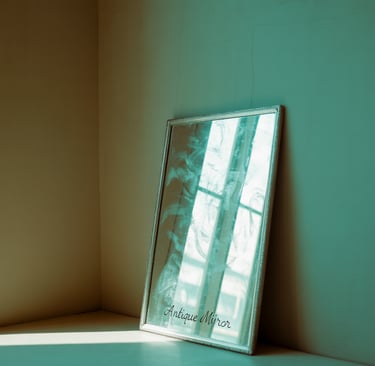
Do you ever feel as though there's no room left inside you? Your mind is crowded with thoughts, your calendar is full, your inbox keeps growing and even your breath feels tight and shallow. Life can start to feel like a room packed with furniture, where it's hard to move, think or simply be.
Inner spaciousness is the opposite of that feeling. It's a sense of openness, ease and room to breathe, both inside and around you. When you have inner space, you can think more clearly, feel more deeply and respond to life with calm rather than reaction.
The good news is that inner spaciousness can be cultivated, gently and step by step.
What is inner spaciousness?
Inner spaciousness is a feeling of openness within. It's the quiet room inside you where you can rest, reflect and reconnect. It might feel like:
A calm, uncluttered mind.
A relaxed, open chest and easy breath.
Time that isn't completely filled.
Room to notice your feelings without being overwhelmed by them.
Freedom to choose how you respond.
It doesn't mean having no thoughts, no responsibilities or no difficult emotions. It means having enough space around them that you don't feel crowded or consumed.
Why we lose our inner space
Many things can fill up our inner space without us noticing:
Overcommitment: saying yes to too many things.
Constant input: news, social media, messages and notifications.
Mental clutter: worries, to-do lists and unfinished tasks.
Physical clutter: crowded homes and workspaces.
Emotional weight: feelings we haven't had time to process.
Rushing: moving from one thing to the next without pause.
Over time, this can leave us feeling tense, scattered and tired, even when we haven't done anything particularly demanding.
Signs you need more inner space
You might benefit from creating more inner space if you notice:
Difficulty focusing or making decisions.
Feeling irritable or easily overwhelmed.
A sense of always being "on".
Shallow breathing or tightness in your chest.
Trouble falling asleep because your mind won't settle.
Longing for time alone or a quiet day.
Creating space in your mind
Write it down
Get thoughts out of your head and onto paper. A simple brain dump of everything on your mind can create instant relief.
Single-task
Do one thing at a time. Multitasking crowds the mind, while focusing on a single task creates a sense of calm and clarity.
Limit input
Choose specific times to check messages and news, rather than constantly. Turn off non-essential notifications.
Practice stillness
Sit quietly for a few minutes each day. You don't need to clear your mind completely. Just notice your thoughts and let them pass like clouds in the sky.
Creating space in your schedule
Leave white space
Just as a page needs margins, your days need open time. Schedule breaks and leave some time unplanned.
Say no gently
Each time you decline something that isn't right for you, you create space for what matters most.
Batch similar tasks
Group errands, emails or chores together so they don't scatter across your whole day.
Protect quiet time
Choose one part of your day, such as early morning or evening, that is just for you.
Creating space in your breath
Your breath reflects your inner state. When you feel crowded, breathing often becomes shallow and quick. Slowing and deepening your breath can create a feeling of spaciousness in both body and mind.
Try this simple practice:
Sit comfortably and relax your shoulders.
Breathe in slowly through your nose, letting your belly expand.
Imagine your breath filling your chest and creating space inside.
Breathe out gently through your mouth, letting tension go.
Repeat for five to ten breaths.
Creating space in your surroundings
Your environment affects your inner state. A clear, calm space can help your mind feel more open:
Clear one surface, like a table or desk.
Let in natural light and fresh air.
Keep only what you use and love in your most-used spaces.
Create a small, uncluttered corner for rest or reflection.
Creating space for your emotions
Emotions need room too. When we rush past them, they often build up and crowd our inner world. Give yourself time to notice and feel:
Ask, "How am I feeling right now?"
Allow the feeling without judging it.
Breathe gently and let it move through you.
Write, walk or talk with someone you trust if you need to process more deeply.
A daily spaciousness ritual
Try this for five to ten minutes each day:
Find a quiet place and sit comfortably.
Take three slow, deep breaths.
Notice what's filling your mind and gently name it: "planning", "worry", "memory".
Imagine each thought placed on a shelf, to come back to later.
Rest in the quiet space that remains.
Close by asking: "What do I need today?"
Questions for reflection
1. What fills up my inner space most often?
2. Where in my life could I create a little more room?
3. What does inner spaciousness feel like for me?
Room to breathe, room to grow
Inner spaciousness is a gift you can give yourself, one breath, one pause and one choice at a time. When you make room inside, clarity, creativity and calm have space to grow. Life may still be full, but you'll feel more open, steady and at ease within it.
Today, choose one small way to create space, and notice how it feels.
If you'd love a deeper collection of calming practices, The Viridian Vibrance Library brings together four gentle guides to help you create more peace, balance and spaciousness in your everyday life.
Stay radiant,
Viridian Vibrance
Viridian Vibrance
A sanctuary for soulful living, mindful moments and inspired simplicity.
Say hello
Join the light
viridianvibrance@gmail.com
© 2026 Viridian Vibrance · Stay radiant